
Blog, Latest News
The Liquid Gold of Western Australia:
Aug
The Rise and Mastery of Margaret River Chardonnay
Margaret River Chardonnay is a world-class wine defined by vibrant coastal coolness, ancient soils, and a near-perfect balance of rich fruit power and laser-sharp acidity. While Chardonnay itself is a highly adaptable grape that takes on the character of wherever it is grown, in this remote corner of Western Australia, it finds a rare expression that balances the sun-drenched fruit of the New World with the savoury complexity of the Old World.
About Margaret River
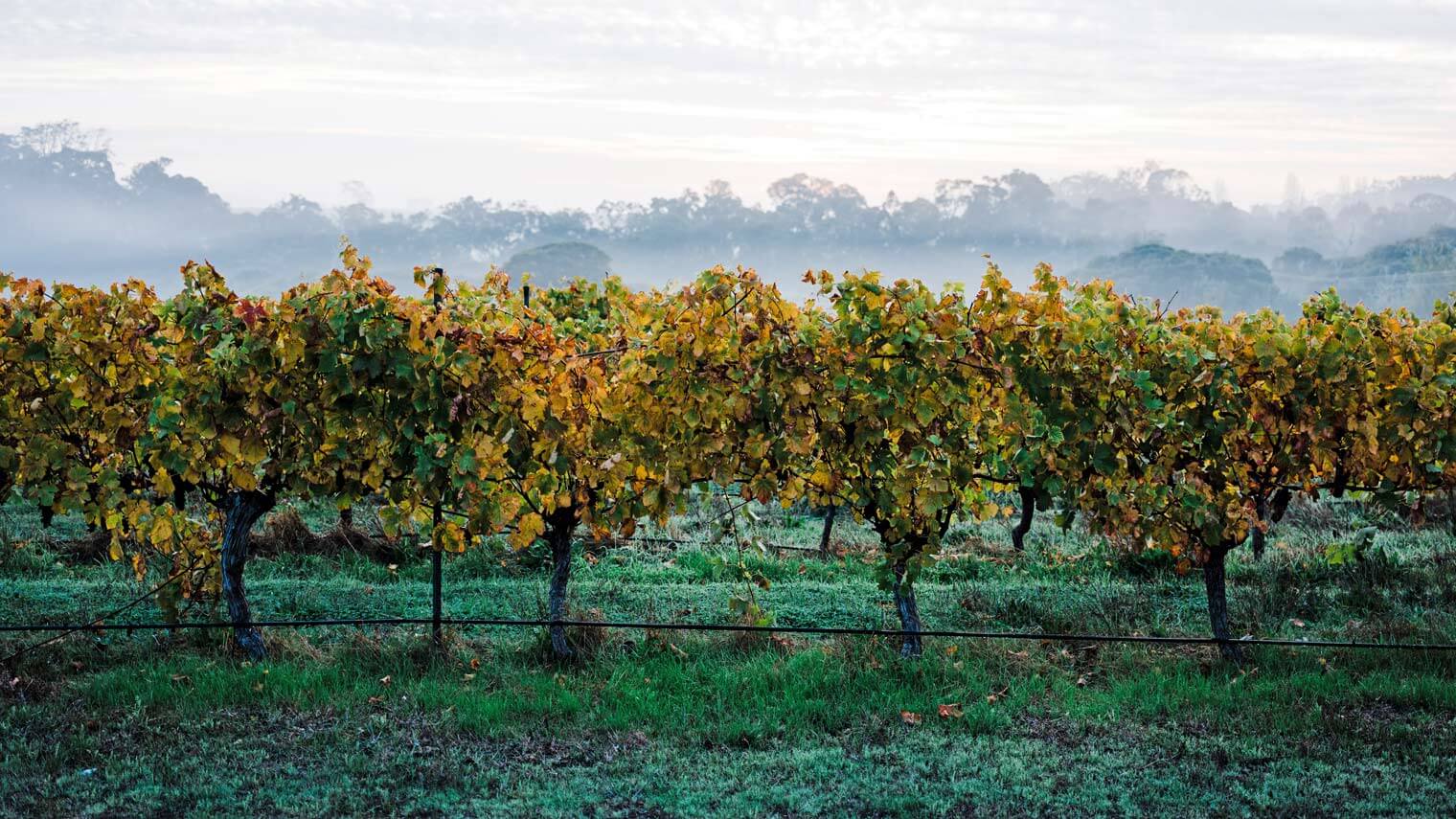
Margaret River sits on a spectacular, isolated peninsula on the far southwestern tip of Western Australia. Bound by the Indian Ocean to the north and west, and the Southern Ocean to the south, the region enjoys a highly reliable Mediterranean climate with the lowest temperature variations of any Australian wine region. Maritime breezes constantly sweep through the vineyards, preventing extreme heat waves in the summer and buffering against frost in the winter.
History
Commercial winemaking in Margaret River began remarkably late. In 1965, agronomist Dr. John Gladstones published a seminal scientific report highlighting the region’s ideal climate and gravelly loam soils, famously comparing its viticultural potential to Bordeaux.
While the early pioneers focused heavily on Cabernet Sauvignon, the narrative shifted dramatically in the 1970s. California winemaking legend Robert Mondavi visited the region and astutely advised producers that Margaret River was perfectly suited for premium Chardonnay. His instincts were proven right when Leeuwin Estate released its 1980 Art Series Chardonnay. Decanter Magazine awarded it its highest recommendation, sending shockwaves through the wine world and instantly cementing the region’s status on the global fine-wine stage.
What Makes It Special
Chardonnay is often called a “winemaker’s grape” because it acts as a blank canvas, reflecting both terroir and cellar techniques. In Margaret River, the grape is shaped by two extraordinary natural forces:
- The Maritime “Doctor”: Powerful afternoon sea breezes temper the warm Australian sun. This cooling effect slows down the ripening process, allowing Chardonnay grapes to develop deep, complex flavours while naturally locking in a crisp, mouth-watering acidity.
- Ancient Granitic Soils: The vineyards sit along the Leeuwin-Naturaliste Ridge, featuring 1.6-billion-year-old soils composed of iron-rich gravelly loams over granite subsoils. These well-draining, nutrient-poor soils force the vine roots deep, imparting a distinct mineral structure and tension to the wine.
Vineyard Practices
- The Gingin Clone: The secret weapon of Margaret River Chardonnay is its primary vine selection, the Gingin clone (believed to have originated from Old Vine Chardonnay in California). This clone is famous for a condition called millerandage, affectionately known as “hen and chicken.” The grape bunches contain a mix of large, juicy berries (hens) and tiny, seedless berries (chickens). The tiny berries provide intense skin-to-juice contact, yielding concentrated phenolics and high natural acidity.
- Canopy Management: Growers use open, airy vine canopies to maximise airflow and catch the gentle coastal sunlight, ensuring the unevenly sized Gingin berries ripen evenly without developing bitter, sun-baked flavours.
Wine Styles
Margaret River has championed a modern style of Chardonnay that sits at the opposite end of the spectrum from the heavy, over-oaked, buttery wines of Australia’s past.
- Flavour Profile: Expect an aromatic burst of ripe white peach, grapefruit, and lemon curd, underscored by complex, savoury notes of roasted cashew, flinty reduction, and a distinct sea-spray salinity.
- Texture & Structure: These wines boast a medium-to-full body with a creamy, textured mouthfeel achieved through battonage (lees stirring). However, this richness is always kept in check by a structural line of fine French oak and a core of driving, linear acidity.
World Acclaim
Today, Margaret River produces only a tiny fraction of Australia’s total wine volume, yet it commands a massive share of its premium reputation. Wine critics worldwide routinely rank the region’s top Chardonnays—from standard-bearers like Leeuwin Estate, Vasse Felix, and Cullen—shoulder-to-shoulder with Grand Cru White Burgundy, celebrating them for their incredible power, crystalline purity, and decades-long aging potential.
Written By: Kyle Oosterberg
Winemaker, Educator and Wine Ambassador for Wine ‘N Things